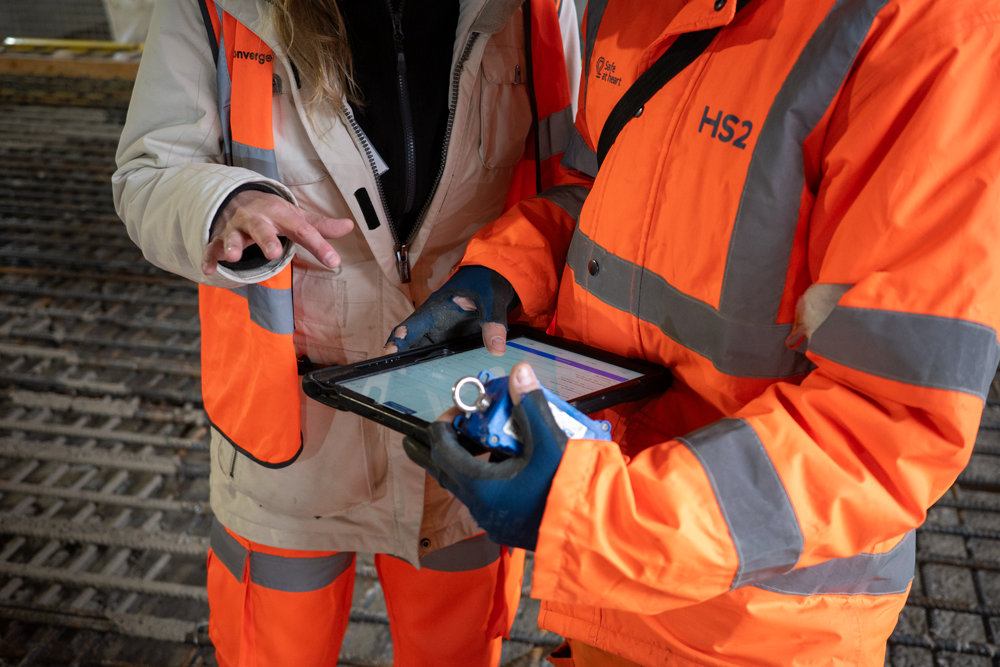
When complete Old Oak Common will be one of the UK’s largest subsurface stations, comprising an 850-metre-long, 20-metre-deep station box with 14 platforms linking major rail services. The scale and pace of construction demanded real-time strength visibility across vast base slabs, multi-level basements, and thick concrete pours. To keep the programme moving, Laing O’Rourke deployed Converge’s Helix system to replace slow cube testing with true in-situ strength monitoring.
Old Oak Common is Britain's largest subsurface station, set to become one of the UK's biggest transport interchanges with 14 platforms connecting HS2, Elizabeth Line, Great Western Railway, and Heathrow Express.
The scale is exceptional:
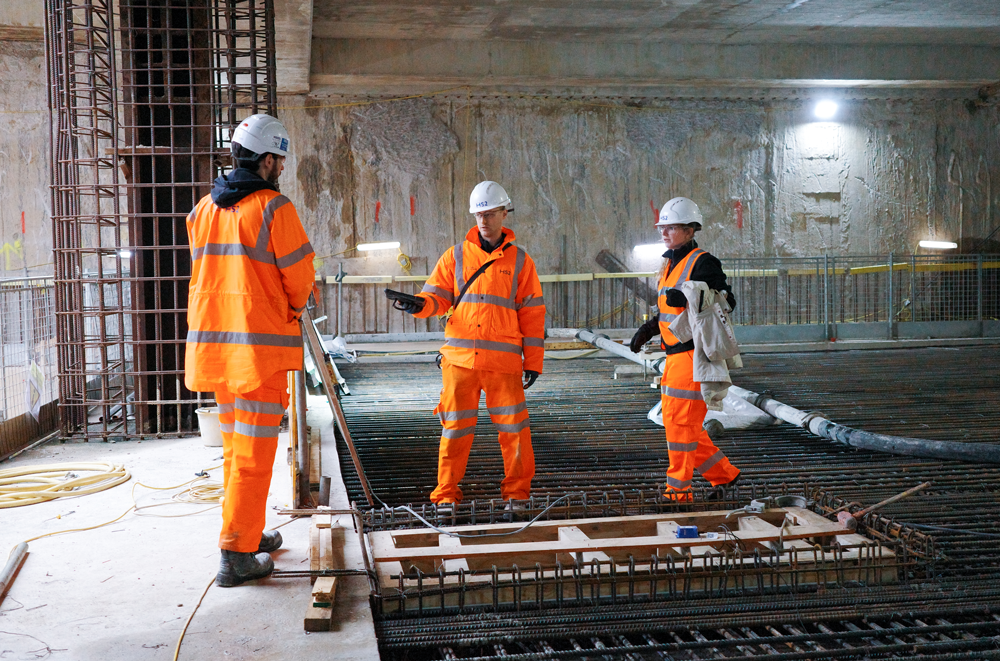
On this heavily programme-driven project, every day counted. Traditional cube testing created critical bottlenecks–waiting up to 28 days for lab results meant expensive formwork sat idle instead of moving to the next pour. The team needed absolute confidence in concrete strength before striking, but conventional methods built in conservative safety factors that added unnecessary delays.
Laing O'Rourke deployed Helix, Converge's long-range concrete monitoring system, to monitor suspended slabs and critical elements in real time. Helix provided strength data based on the concrete's actual placement environment – not laboratory conditions – giving engineers confidence to strike the moment design strength was achieved.
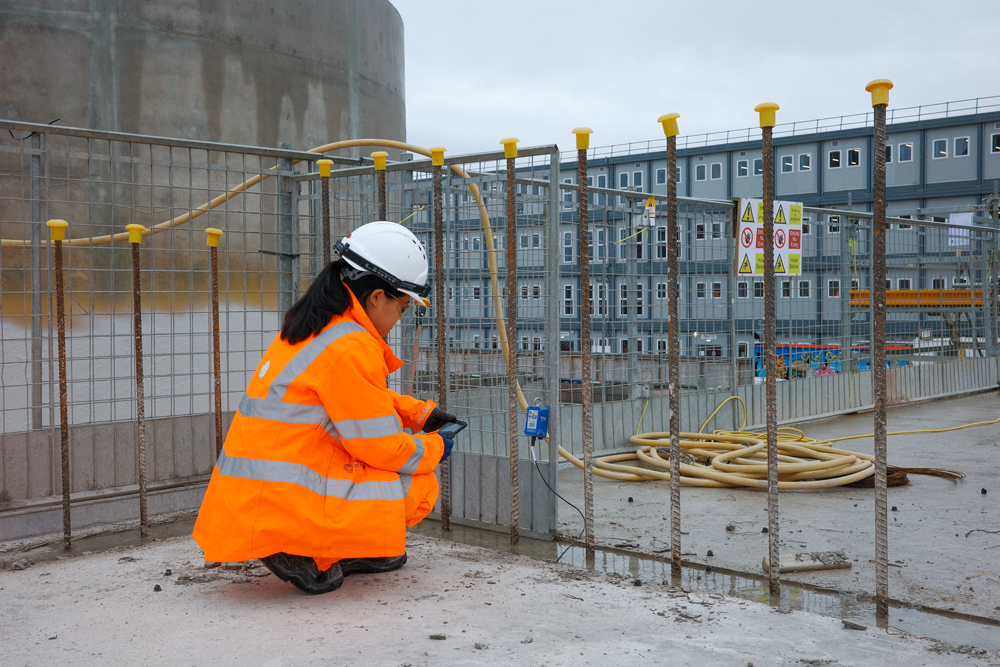
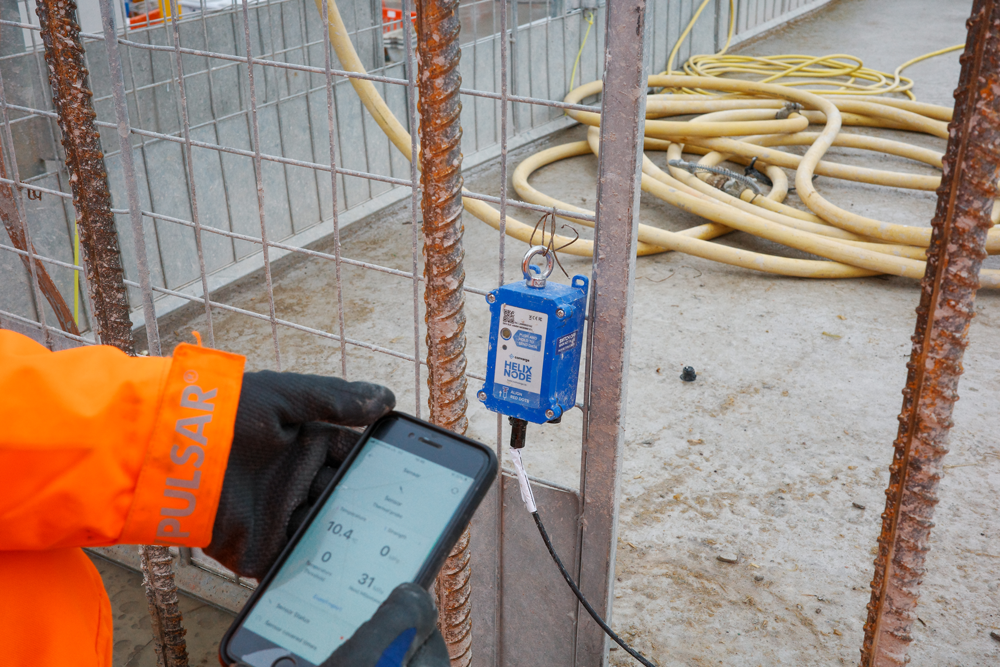
Key capabilities that unlocked value:
Programme acceleration: Instead of waiting up to 28 days for cube results, the team verified strength and struck formwork after just under five – saving two or more days per pour.
Compound savings at scale: During peak phases with 4-5 suspended slabs poured weekly, two-day savings per pour delivered massive programme gains: "If you're saving a day or two there, and you're doing four or five slabs per week – it's a massive saving."
Improved workflow: Formwork moved to adjacent pours faster, reducing equipment needs and maintaining schedule on complex structures with openings requiring early internal formwork striking.
Enhanced confidence: Engineers submitted permit-to-strike decisions knowing concrete had reached required strength in its actual placement environment, not controlled lab conditions with artificial temperature profiles.